Toronto, Canada / Remote delivery

Website development for Toronto B2B companies

Give buyers a clear reason to contact your team, whether they are in Canada or the US. I design and develop websites that explain complex services, separate different customer journeys and turn an inquiry into a useful starting point for sales. Positioning, UX and implementation follow one brief.

A clearer handoff from website to sales

Explore the decisions behind the build.

  1. Separate the audiencesDifferent buyers need different answersDefine your market brief
  2. Qualify the next stepEnough context without an oversized formSee the delivery process
  3. Give the team controlContent ownership and a tested inquiry routeReview delivered websites

Canadian market / Cross-border clarity

Build around the way your team sells

For a Toronto company serving more than one market, the useful question is not how often the website mentions Toronto. It is whether a buyer can understand the offer, the markets you actually support and the information needed to start a conversation. I turn that into a practical page and inquiry structure.

Distinct routes for distinct buyers

Separate enterprise and smaller-business offers when the sales process differs. A distributor, a service buyer and a potential partner should reach relevant information without sorting through one long generic page. Use service and industry pages only where the offer genuinely changes.

Canada and US details without ambiguity

If your business publishes prices or packages, make CAD and USD explicit. Explain which services, delivery arrangements and contact routes apply to each market. English and French content can be scoped where your audience needs it; translation, review and ongoing ownership are planned together.

Inquiries your sales team can use

Capture the service required, business context and contact details, then route them to the agreed owner or system. Start with a small useful form. Additional qualification can happen in follow-up instead of blocking every first inquiry behind an extensive questionnaire.

Direct collaboration / Eastern Time reviews by agreement

A build your team can keep developing

I work remotely with your Toronto team, combining scheduled reviews with a written brief and clear decisions. The work can start with a new site, a service-page rebuild or a focused inquiry-flow project. Existing tools and content responsibilities are reviewed before choosing the implementation.

Audit the offer and the handoff

Review the existing website, priority customer types, market coverage and what happens after a form is sent. Define the primary action for each page and the fields the sales team genuinely uses. This becomes the scope rather than a speculative list of features.

Build reusable pages and workflows

Connect responsive layouts, structured service content and approved integrations. Netlify Visual Editor can support visual page changes; Sanity can support a separate editorial workflow where needed. I choose the content setup around who will maintain the site.

Verify the complete journey

Test forms, routing, mobile layouts, keyboard access and the agreed analytics events. Review indexing, canonical URLs and redirects, then document editing and ownership. The launch check follows the inquiry from the page through to its destination, not just to a success message.

Built by me / Delivered implementations

My work on B2B journeys and editable platforms

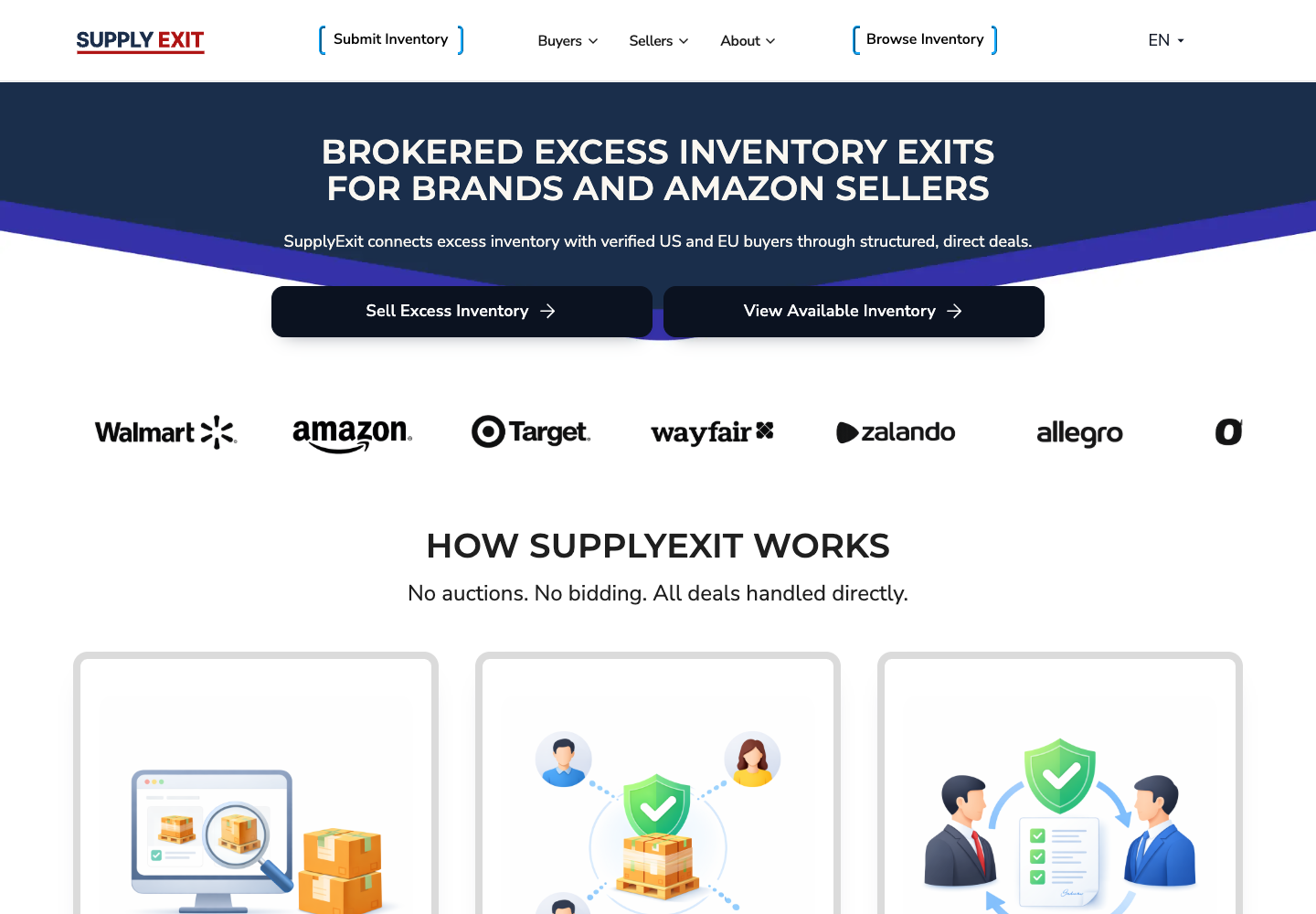
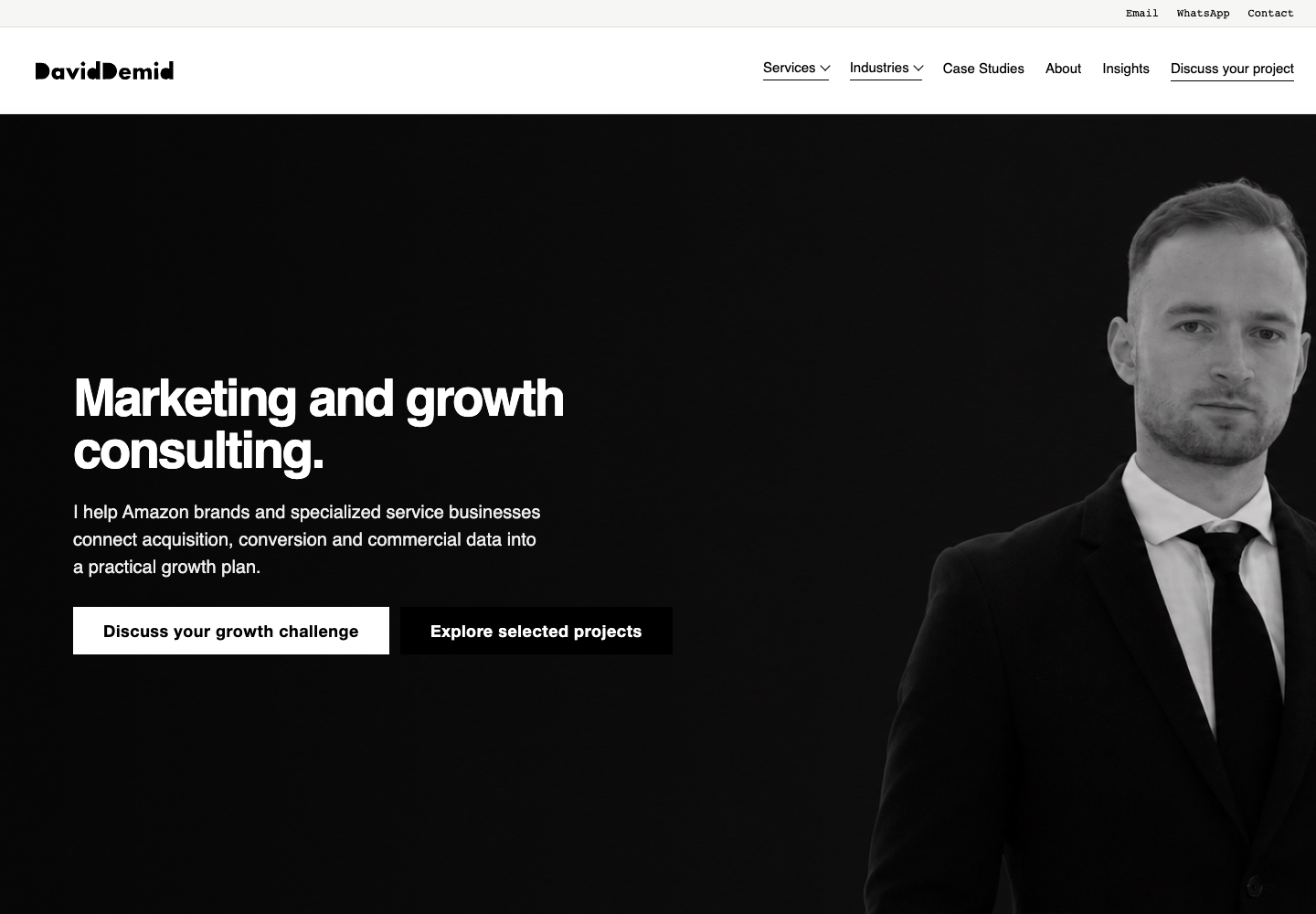
SupplyExit shows how I separate different commercial audiences. DavidDemid.com shows the service, case and editorial architecture behind a consultancy website. Both are my own projects, developed from the business model through the working interface.

SupplyExit B2B inventory platform designed and developed by David Demid

SupplyExit.com

Separate seller and buyer entry points, structured inventory pages and dedicated inquiry paths. Sanity articles and Git-backed visual page editing give different content workflows a clear role.

Explore the B2B platform case
DavidDemid consultancy platform with editable service and case pages

DavidDemid.com

A consistent service catalogue, reusable page sections, case studies and protected contact handling, with schema-driven editing through Netlify Visual Editor.

Explore the consultancy platform case

Scope and working relationship

Questions from Toronto teams

Do you have a Toronto office?

The service is delivered remotely, not from a Toronto office. You work directly with me through online reviews, a shared project brief and an agreed schedule. We define overlap with your team before the project starts.

Can we keep our existing CRM or booking tool?

Yes, where its integration options support the agreed workflow. I review the current setup before estimating the work. A working integration includes field mapping, routing, confirmation states and a test submission received at the intended destination.

How do you approach accessibility for an Ontario website?

I include keyboard use, readable layouts, form labels and clear feedback in the implementation brief. Ontario has specific website accessibility requirements for designated public-sector organizations and businesses or non-profits with 50 or more employees. We establish the applicable review scope before estimating any specialist audit. Ontario's website accessibility guidance explains the requirements and exceptions.

Can one website serve Canada and the US?

Yes. Start with the same page where the offer is the same. Create separate versions when pricing, availability, language or the customer journey actually differs. I avoid duplicating a full site just to change a country name.


Let's talk

Connect your website with the sales conversation

  • Share your website and the buyers you want to reach
  • Tell me which Canadian and US markets you actually serve
  • We define the pages, workflows and responsibilities that matter

Prefer messaging first?

WhatsApp
David Demid in a black suit
David Demid

Marketing & Growth Consultant