A sales chatbot needs a clear job: help the visitor choose the right next step and give the team enough context to continue the conversation.
I build that journey before choosing a tool. Qualification, useful answers, routing, and human handoff belong in one flow.
Start with one high-value conversation
Review the questions people already ask through forms, email, messaging, and sales calls. Find a recurring point where customers get stuck or the team repeatedly collects the same information.
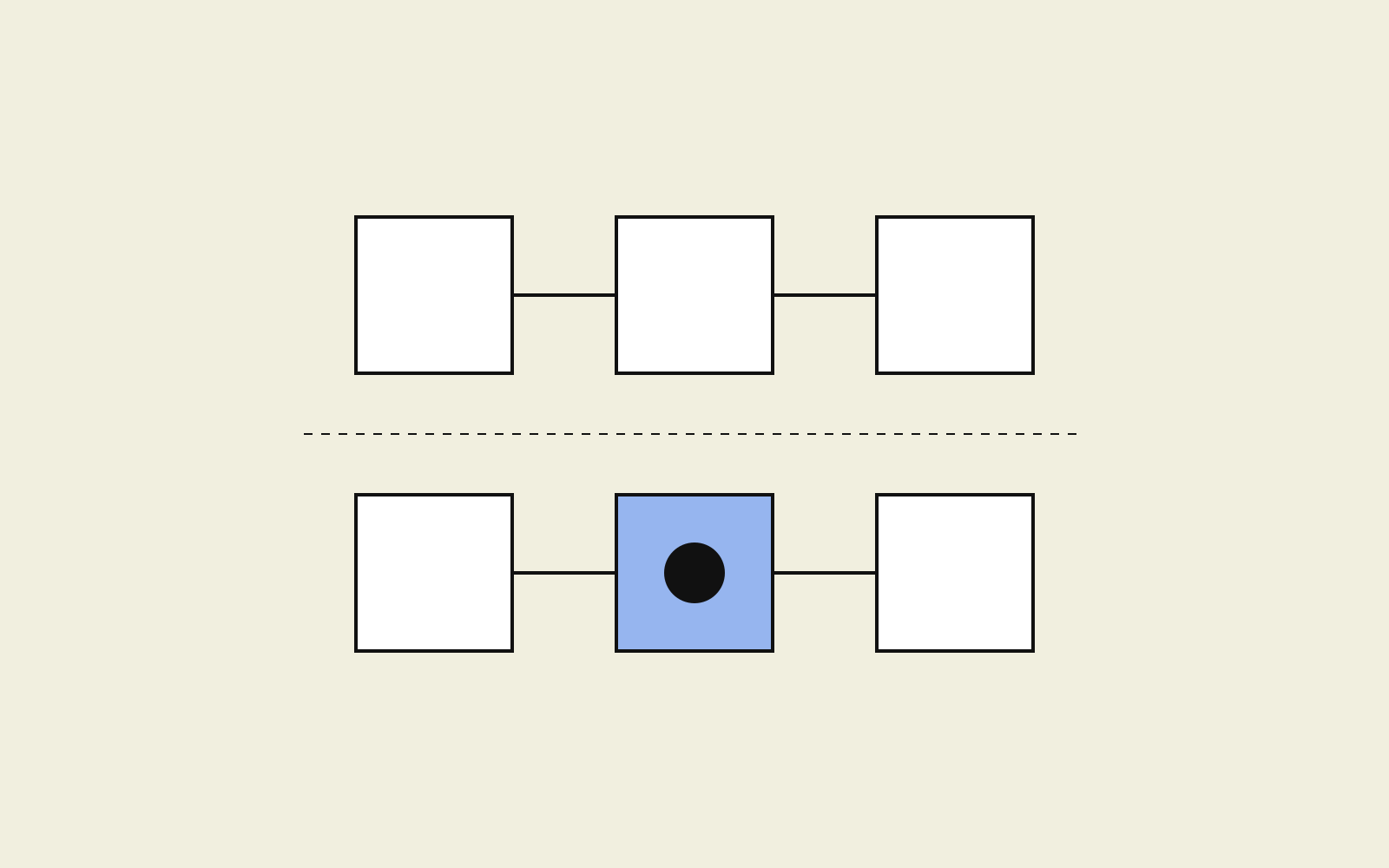
Draw the shortest useful path: entry point, customer question, required context, answer or destination, and fallback.
For a service business, this can mean identifying the main challenge and directing the visitor to the appropriate service. For ecommerce, it can mean resolving a product-fit question before purchase.
Start with one journey. It gives the team a clear scope for testing and maintenance.
Qualify without interrogating
A first conversation rarely needs a complete CRM record. Ask for the information that changes the next step.
For a consulting inquiry, that can be business type, main challenge, and the preferred action. Explain what happens after the visitor shares contact details and separate required information from optional context.
Offer recognizable choices and a way to describe the task freely. Visitors should not need to understand the business's internal service categories to ask for help.
Make it clear that the assistant is automated and provide a direct route to a person.
Build a maintained answer set
Give the assistant approved service information, product facts, and routing rules. Assign an owner to each answer source and define how updates reach the bot.
Predictable qualification can use rules. More varied questions can use generated answers with evaluation and a clear fallback.
Test ambiguous questions, conflicting information, service changes, and requests outside the assistant's scope. Missing prices, timelines, or availability should route to the team rather than become invented answers.
Make human handoff operational
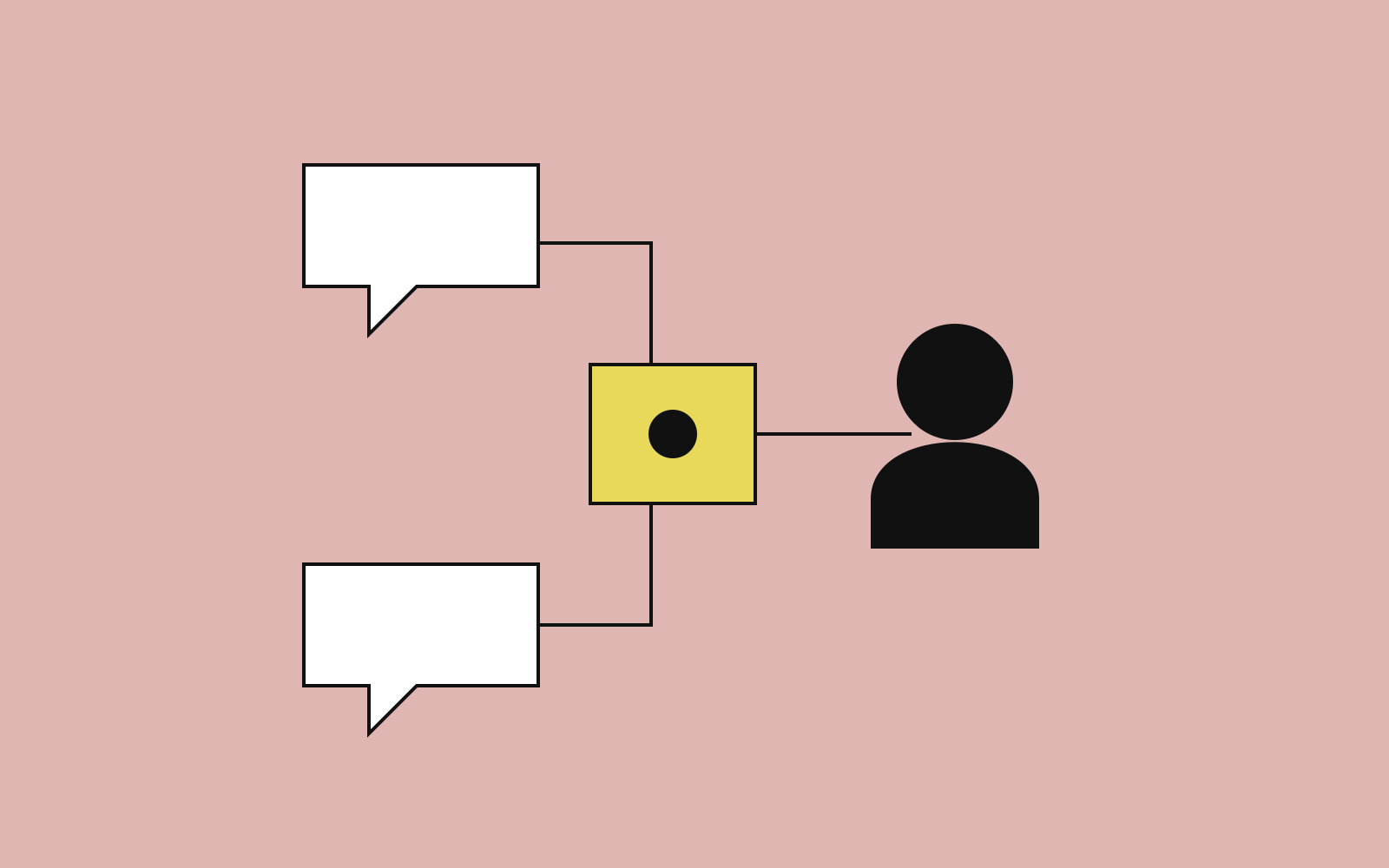
The handoff needs a receiving person or team, an inquiry summary, required fields, and a response process.
Carry the relevant context into the next step so the customer does not need to repeat the conversation. Collect and retain only the information needed for that journey.
Always provide an understandable exit: send a message, submit a short form, book a call, or continue without the assistant.
A chatbot supports the site when it reduces dead ends. It becomes friction when reaching a person requires navigating the bot first.
Measure useful outcomes
Track completed journeys, qualified inquiries, successful handoffs, booked conversations, response quality, and downstream outcomes.
Review abandonment, repeated questions, incorrect answers, and complaints alongside those results. A high message count can reflect confusion rather than progress.
Compare the new journey with the previous route over defined periods. Include implementation, maintenance, and human follow-up costs when reviewing efficiency.
That is the approach behind my marketing and sales operations work: clear ownership, fewer repeated questions, and a customer who knows what happens next.
Source notes
- Implementation approach: conversation mapping, inquiry qualification, approved answer sets, CRM routing, and human handoff.
- Related expertise: consulting and marketing and sales operations.