Chicago, United States / Remote delivery

Website development for Chicago wholesalers

Help trade buyers understand your range before they contact sales. I design and develop websites for wholesalers and distributors serving Chicago, connecting structured catalogs, practical buyer inquiries and content your team can maintain. The brief starts with how you sell, not a checkout template.

From range discovery to a buyer conversation

Explore the catalog and inquiry workflow.

  1. Find the relevant stockCategories, specifications and availability contextDefine the catalog brief
  2. Ask a useful questionProduct reference, volume and destinationReview delivery
  3. Keep information currentNamed editors and a clear handoverExplore my work

Wholesale / Distribution / Buyer inquiries

Give buyers enough detail to start a conversation

A Chicago distributor may quote by account, quantity or delivery destination. The website should explain those boundaries without implying that every visitor can order immediately. We define what belongs in the public catalog and what sales confirms privately.

A catalog with usable structure

Organize products by the attributes buyers compare. Agree fields for pack size, specifications, minimum quantities and availability notes where relevant. Distinguish a representative range from confirmed stock; do not imply live inventory unless the agreed data connection supports it.

Inquiries attached to the product

Carry the product or category reference into the inquiry. Ask for business details, intended quantity and destination where sales needs them. A general sourcing request gets a separate route so buyers without a SKU can still explain what they need.

Catalog ownership after launch

Name the people responsible for specifications, images and discontinued items. Define whether updates happen in the CMS, an approved import or an existing source system. Your team approves commercial details; the site gives those details a consistent, editable structure.

Direct collaboration / Central Time reviews by agreement

Build the catalog and the sales handoff together

I work remotely with your team. We review sample product data and the current inquiry process before estimating pages or integrations. Written decisions keep product, sales and content responsibilities visible throughout delivery.

Define the source and the scope

Review categories, sample records, pricing visibility and inquiry destinations. Agree launch content, migration boundaries and who signs off product accuracy. Existing ERP or CRM connections are assessed individually rather than assumed to be included.

Design and implement buyer routes

Build responsive category and detail layouts, navigation and the agreed inquiry form. Preserve useful product context through submission. Choose content models around the editor's workflow, with integrations limited to the approved technical brief.

Test and transfer responsibility

Check mobile discovery, keyboard access, validation and receipt by the intended sales owner. Review redirects and metadata. Test an ordinary catalog edit with your team, then document publishing, inquiry routing and the launch checklist.

Built by me / Catalog and content systems

Websites I designed and developed

I designed and developed SupplyExit and DavidDemid.com from page architecture through the working interface. Explore the cases for structured catalogs, audience-specific inquiry paths and content workflows that support ongoing updates.

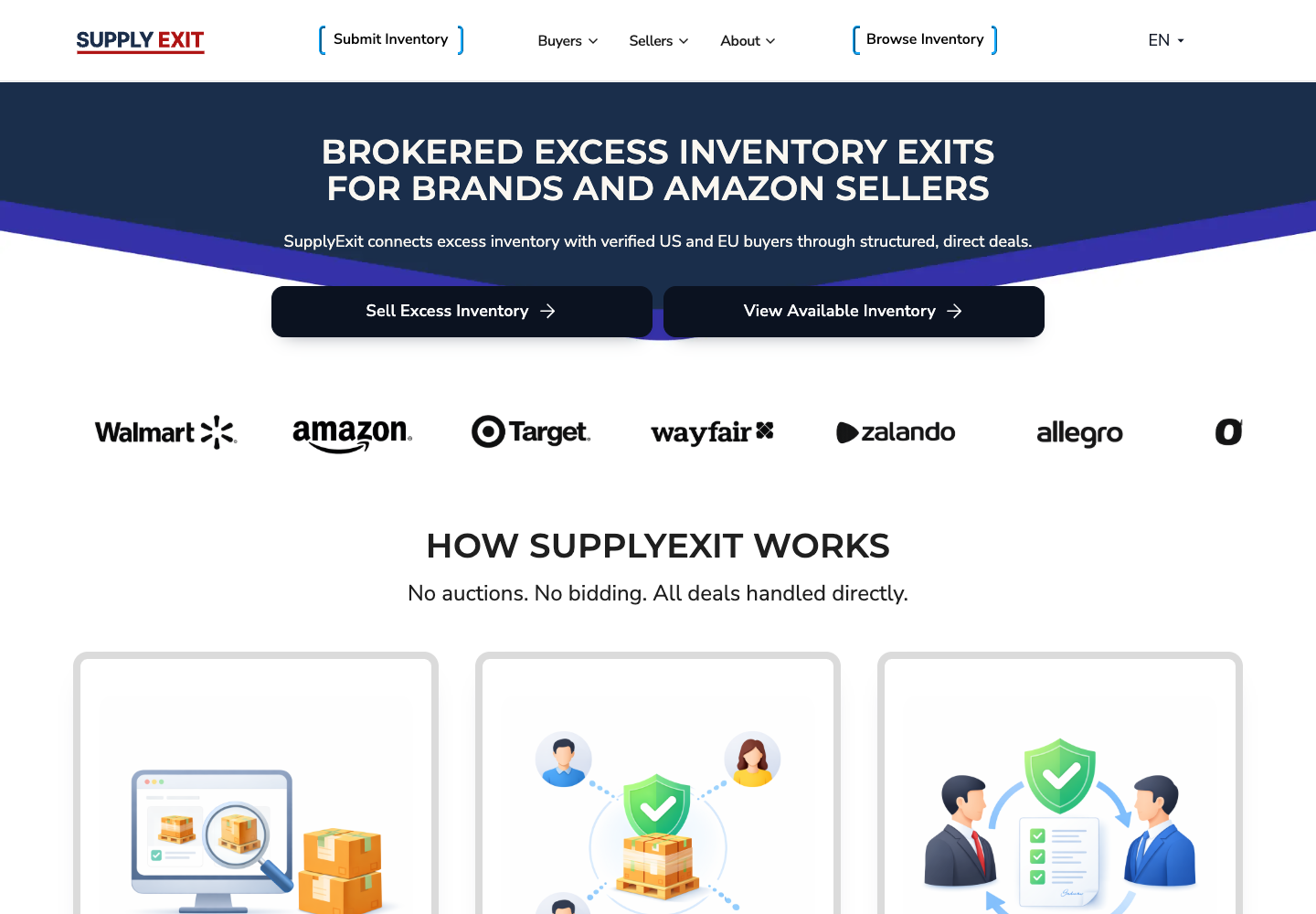
SupplyExit website with buyer and seller entry points

SupplyExit.com

My B2B inventory project separates buyer discovery from seller submissions. Structured catalog pages, inquiry paths and Sanity articles alongside Git-backed visual editing demonstrate the implementation.

View the B2B platform case
DavidDemid consultancy platform desktop screenshot

DavidDemid.com

My consultancy platform connects service pages, cases and editorial content through reusable sections. Netlify Visual Editor supports structured updates, with server-side contact-form validation.

View the consultancy platform case

Chicago wholesaler questions

Before we define your catalog project

Do you have a Chicago office?

No. This is a remotely delivered service for businesses serving Chicago. You work directly with me through online reviews and a shared brief, with Central Time overlap agreed beforehand.

Can we keep pricing private?

Yes. A public range can lead to a quote request rather than display prices. Account access, customer-specific pricing and ordering require separate requirements; a catalog build does not automatically include a trade portal.

Who keeps availability accurate?

Your nominated product owner approves the data and update routine. We label manually maintained information appropriately. Automated synchronization needs a defined source, refresh behavior and handling for failed updates before it enters scope.

Can the first release cover selected categories?

Yes. Start with priority categories and representative records. Reusable templates can support later additions, while migration volume, image preparation and ongoing editorial work remain explicit responsibilities rather than open-ended launch assumptions.


Let's talk

Turn your range into a useful buyer inquiry

  • Share your website and sample catalog records
  • Explain how your team quotes and updates stock
  • We define the pages, handoff and content owners

Prefer messaging first?

WhatsApp
David Demid in a black suit
David Demid

Marketing & Growth Consultant